A
Teacher nameBharatanatyam and film dance

Discover • Learn • Perform
Seventeen art forms under one roof, from Bharatanatyam and violin to karate, magic and voice dubbing. Classes for ages four to adult, at the academy or online.
Two quick questions, and we'll suggest where to start. You can always try something else at the trial class.
Seventeen disciplines in five families, each taught by a specialist. Open any art to see what students learn.
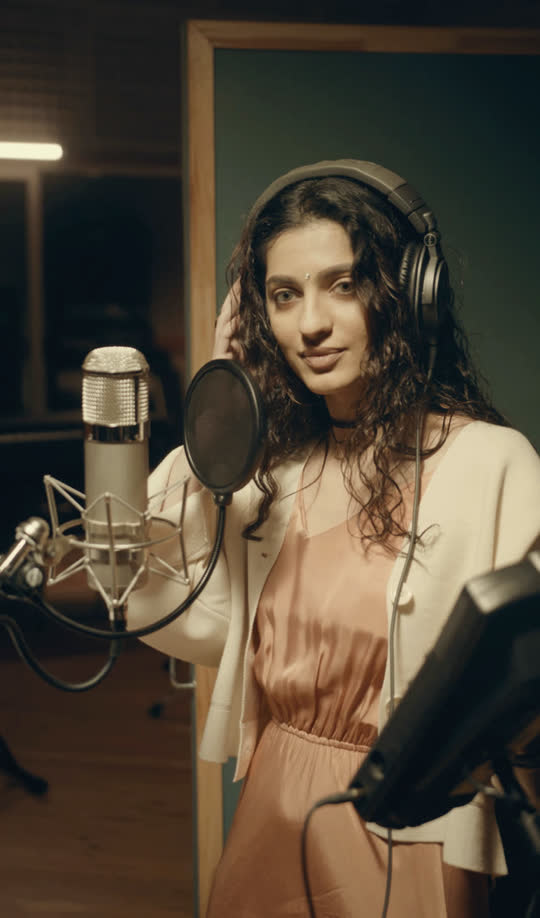
Voice training for children and adults, built on breath, pitch and a steady ear. Students sing in groups and solo, and prepare songs for the stage.
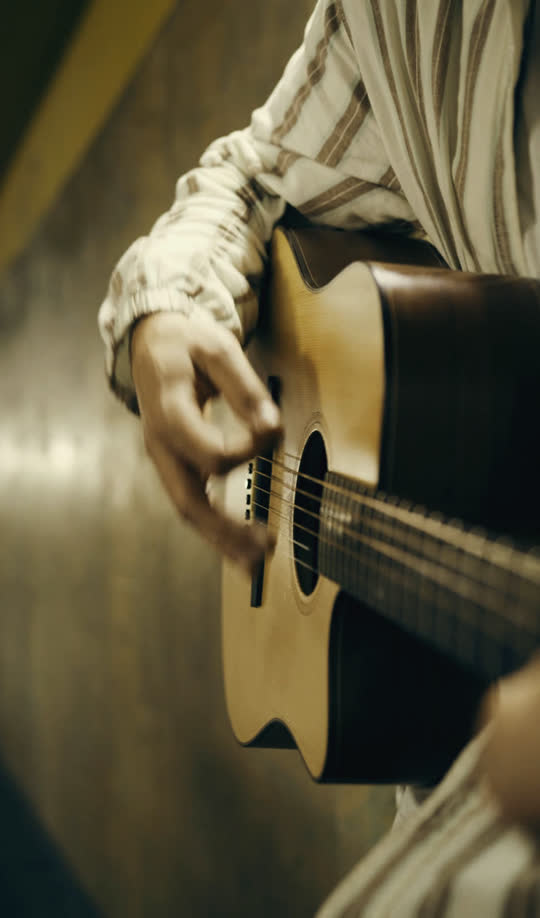
Acoustic and electric guitar, starting with chords and strumming and moving on to lead lines and the songs you want to play.
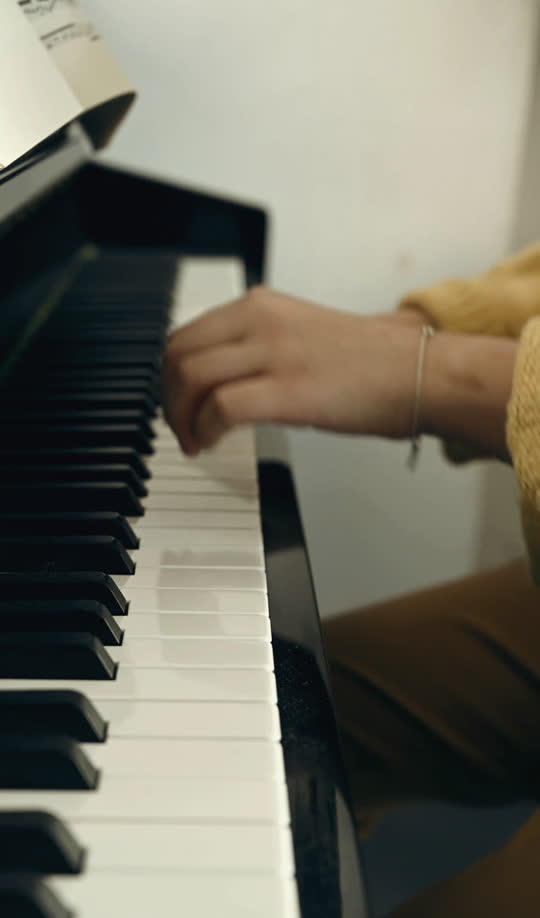
Both hands from the first month. Students learn to read music and play pieces they actually enjoy.
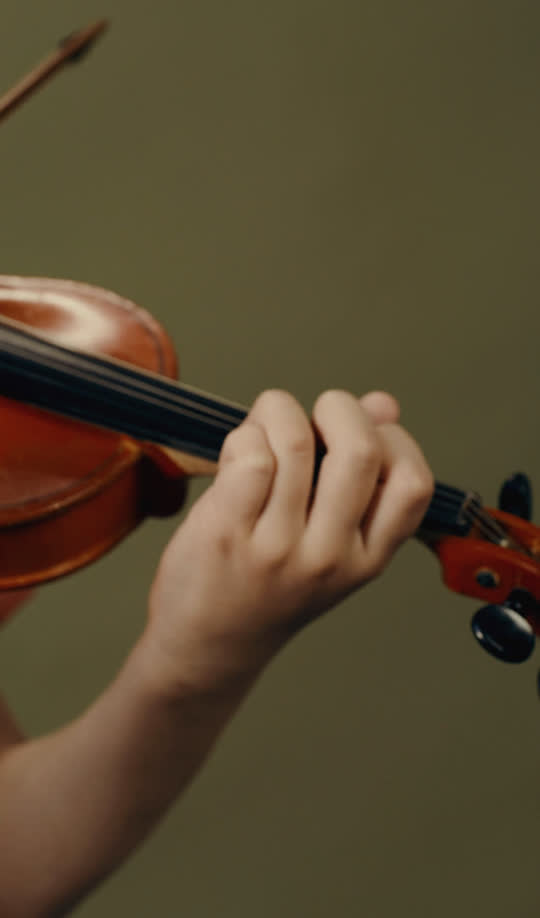
Careful groundwork in posture and bowing, then melody. Taught slowly and properly, because the violin rewards patience.
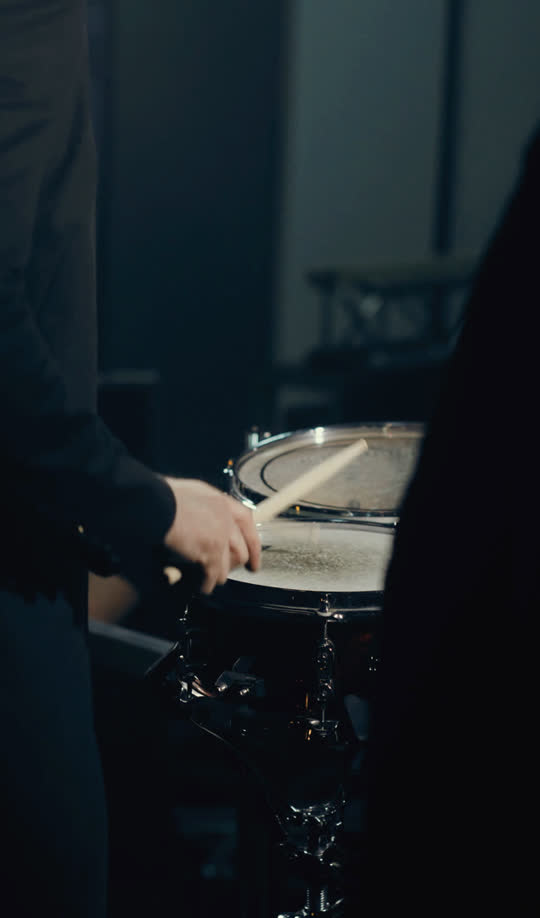
Rhythm, timing and coordination on acoustic and electronic kits. Loud, physical, and a favourite with children who find it hard to sit still.
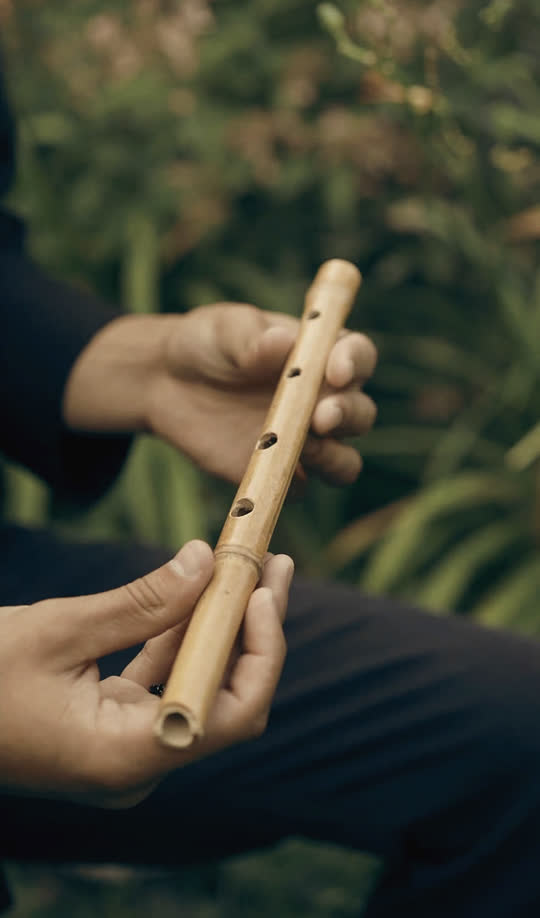
Breath, tone and melody on the bansuri. An easy instrument to begin on and a lifelong one to master.
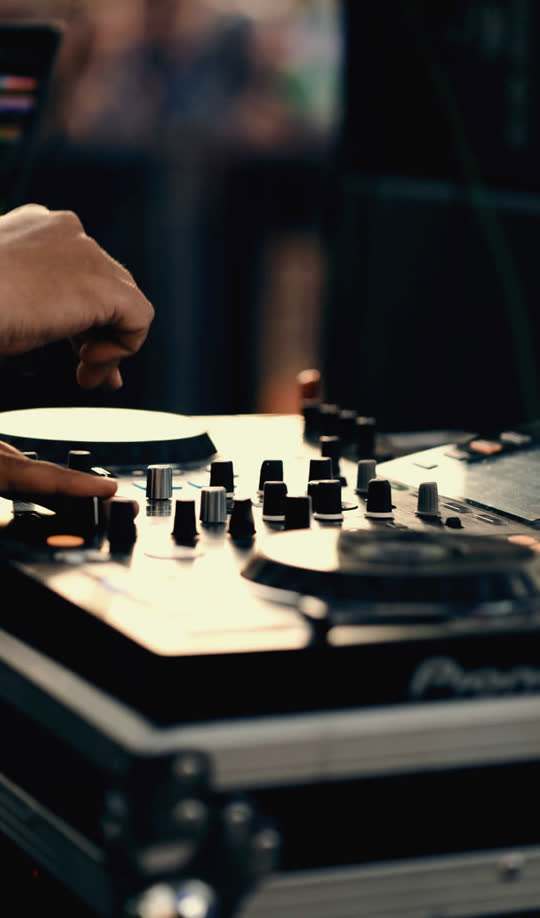
Mixing on professional decks, from counting beats to reading a room. For teens and adults who rarely take their headphones off.
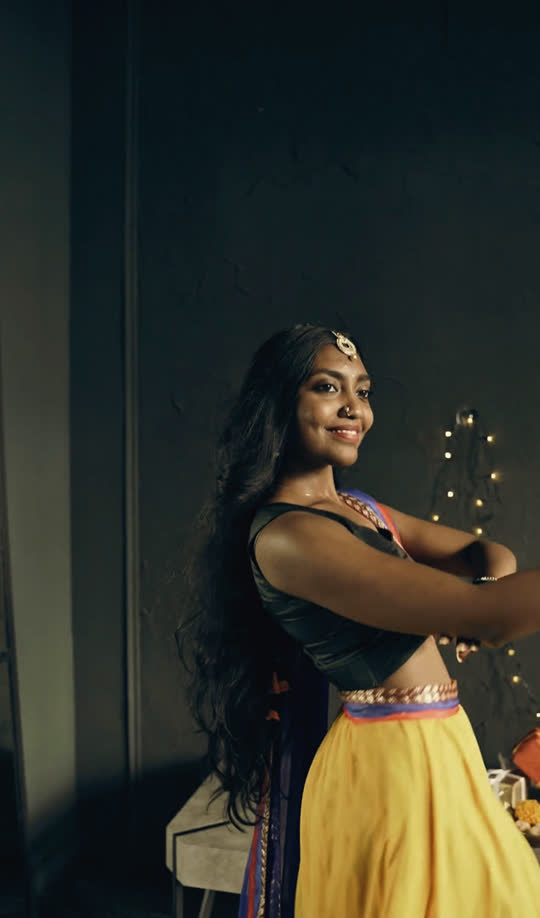
The classical dance of Tamil Nadu, taught with close attention to footwork, hand gestures and expression, step by step towards a first performance.
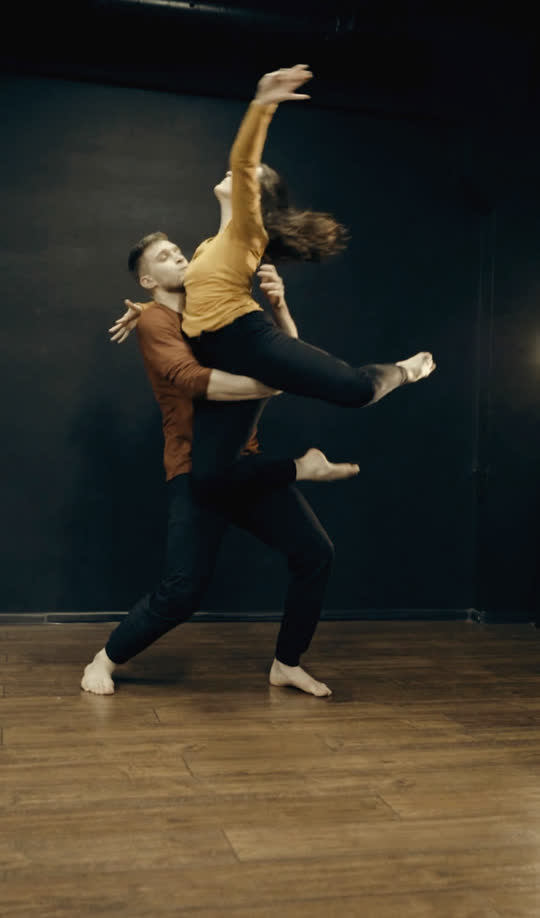
Hip-hop, contemporary and freestyle. Builds rhythm, stamina and the confidence to dance in front of anyone.
Choreography to film songs, the style everyone asks for at weddings, school functions and sangeet nights.
Discipline, fitness and self-defence, with belt gradings that give every student a clear next goal.
The traditional stick art of Tamil Nadu. Fast, rhythmic and demanding, it builds agility, focus and coordination.
Acting, improvisation and comic timing. Good for young performers, and for anyone who wants to speak up with confidence.
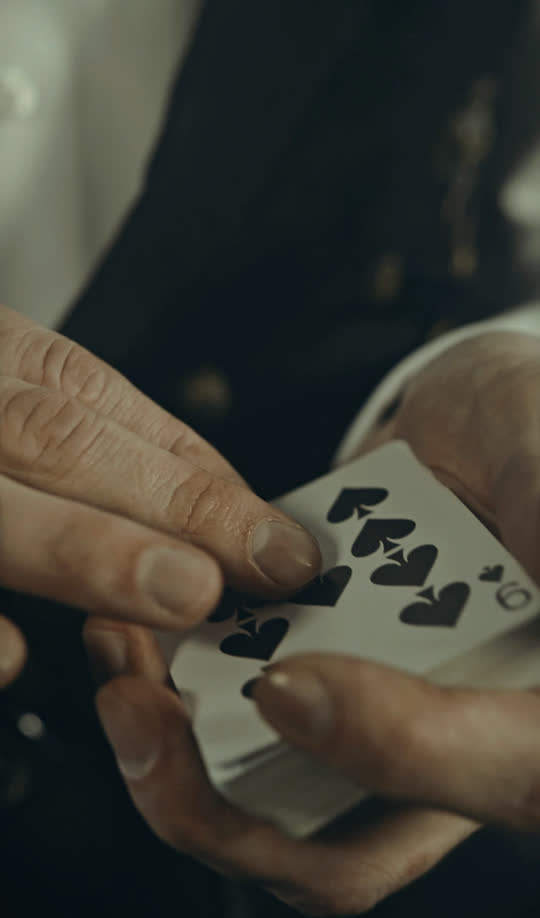
Sleight of hand, stage illusions and patter. Students learn the tricks and, just as important, how to perform them.
Drawing and painting from life and from imagination, in pencil, watercolour and acrylic.
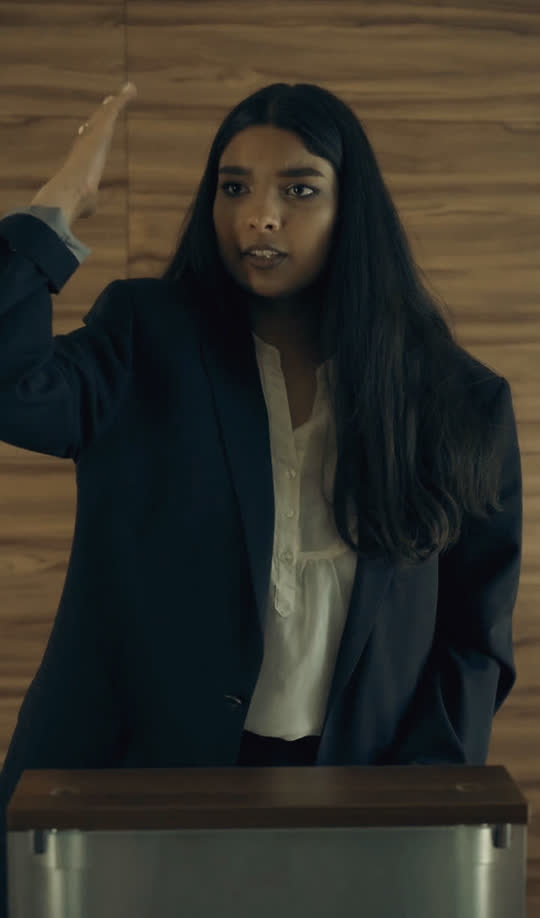
Clear diction, steady delivery and presence on camera. Useful for aspiring anchors, and for anyone who has to speak in public.
Voice acting for film, animation and advertising, with studio practice in lip-sync and character voices.
Every art follows the same three steps, whether the student is four or forty.
 01
01Start with a trial class in any art. Meet the teacher, get a feel for the class, and ask whatever you like. The teacher then suggests the right batch for the student's age and level.
 02
02Weekly classes in small batches, with practice set between sessions. Parents hear how things are going, not just at the end of the term.
 03
03Each term builds to a showcase on a real stage, in front of family and friends. It is the moment every class has been working towards.
About us
A child who loves to sing shouldn't have to wait for the annual day to be heard.
My Arts was set up to give every student proper teaching, steady practice and a real stage to perform on.
Classical and contemporary arts are taught side by side, so a Bharatanatyam student can pick up the drums and a karate student can join the drama club. Nobody has to choose just one.
Try something new without a new academy, a new commute or a new timetable.
Each term ends with a showcase, so practice always leads somewhere.
Every class is led by a trained practitioner of that art.
Teachers know each student by name and follow their progress closely.
The people who teach, rehearse and stand in the wings on showcase night.
Pick an art and a level to see how classes run. Every student starts with a trial class, so the teacher can place them in the right batch.
Short, playful classes that build rhythm, listening and coordination.
Proper technique and regular practice, with a first taste of the stage.
Deeper training, competitions and solo pieces at showcases.
Evening and weekend batches for beginners, and for anyone returning to an art.
All seventeen arts, with studios, instruments and space to rehearse.
Live video classes with the same teachers, for the arts that work well on screen.
Rehearsals, recitals and showcase nights. Drag to browse.
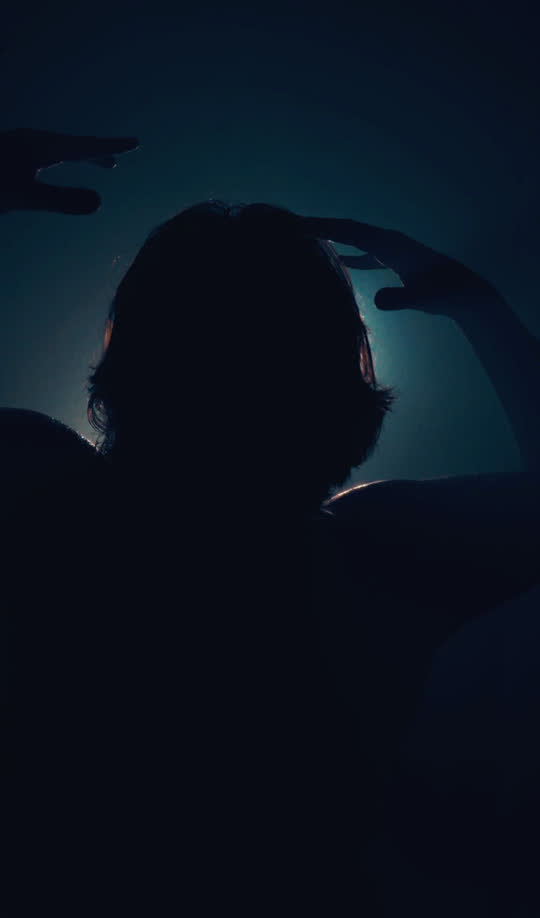
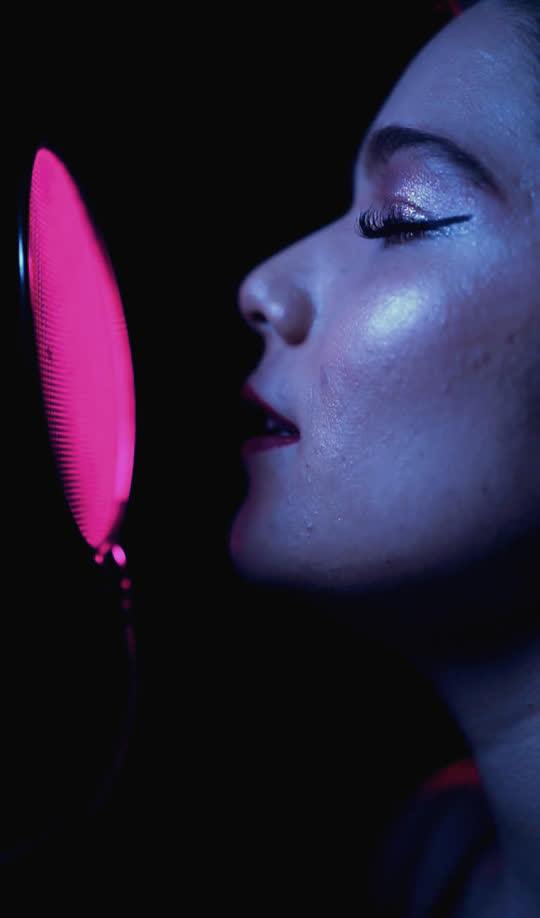
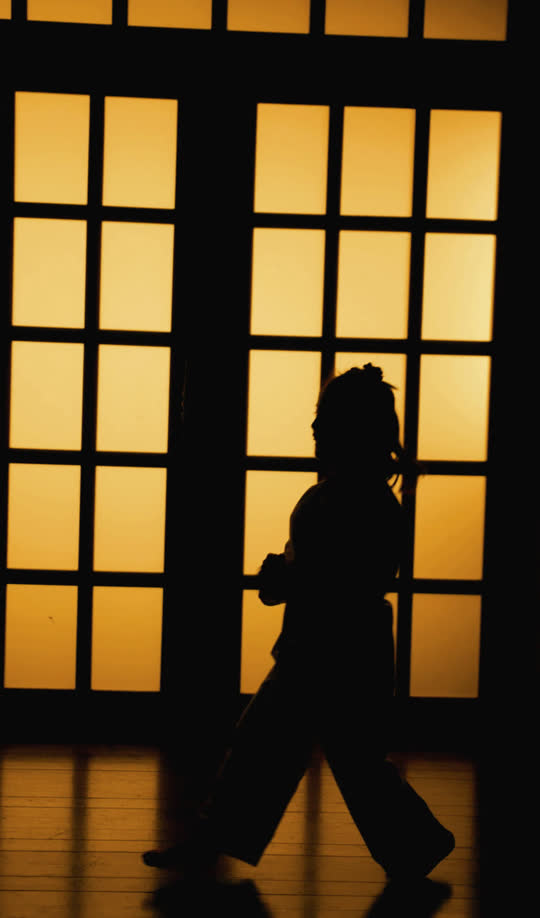
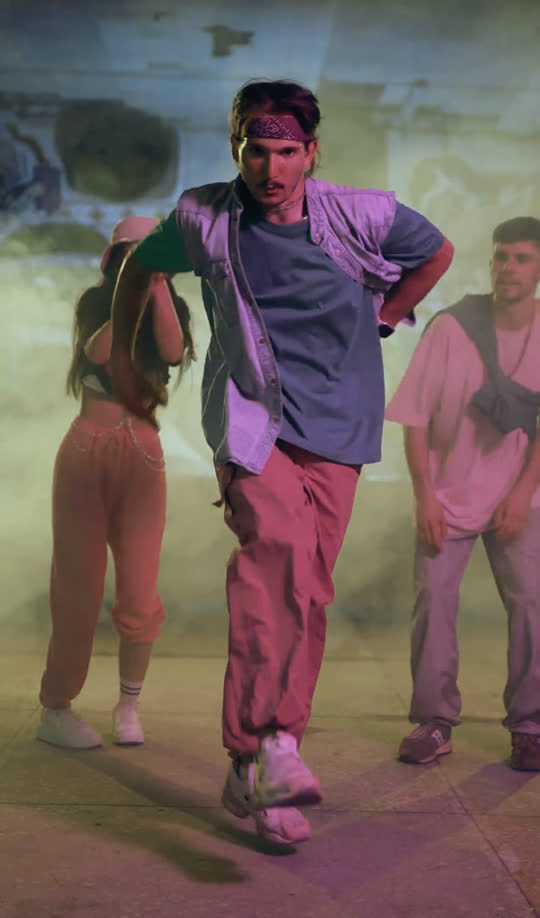
What you can expect once your child joins.
Enough students to learn together, few enough for real attention.
Children are with a teacher from arrival to pick-up.
Teachers share how your child is doing through the term, and the showcase shows the rest.
If an art isn't the right fit, your child can try another at the start of the next term.
Yes. Every student starts with a trial class so the teacher can suggest the right batch. We'll share the trial details and fees when you enquire.
From four for most arts. A few, like DJ and voice dubbing, start later. Each art lists its starting age.
Yes. Arts run on different days, so two can usually fit into one week. Tell us which ones and we'll suggest timings.
Let the teacher know in advance and we'll try to arrange a make-up class in another batch.
Live video classes at fixed batch times, with the same teachers. You'll need a phone or laptop with a camera and a quiet space. Instrument students need their own instrument.
Tell us which art interests you and the student's age. We'll reply with batch timings, fees and a slot for a trial class.